
AREA · Tarabya
Renovation, Facades and Boutique Hotels in Tarabya
Tarabya runs down to the Bosphorus shoreline, with an old fabric and tight streets. What you find here is rarely an empty plot; it is ageing apartment blocks, buildings next to the waterfront mansions, and hospitality properties. The work changes accordingly: less about raising a new building, more about bringing a standing one up to date.
In Tarabya the value of a flat or a building is largely set by its view. Things that count as aesthetic preferences elsewhere, such as window size, enclosing a balcony or the colour of a facade, turn here into decisions that bear directly on value. In the same way, a renovation decision cannot be separated from the relationship with neighbouring buildings or from how much traffic the street can actually carry.
Renovating an occupied building on a narrow street
Most of our work in Tarabya happens in buildings that have not been emptied: a renovation runs on the upper floor while people carry on living below. The streets are narrow, often single-lane, and parking is tight. That makes the day-to-day routine of the site as decisive as the programme itself. Before starting we speak to each resident individually and share a written calendar of which operation happens on which floor in which week; that simple step resolves most complaints before they arise.
- Days and hours for noisy demolition agreed with the neighbours in advance
- Stairs, lift and common areas covered and protected
- Materials brought in small vehicles, in daily batches
- Debris removed the same day, with nothing left piled in the street
- Water, power and heating shutdowns announced to residents beforehand
Facades, the shoreline and the view axis
On plots close to the shore, changes to storeys, height and facade are not free: plan notes and conservation decisions set what is possible, and some works require an opinion from the conservation board. In a facade renewal, external insulation, natural stone cladding and the replacement of joinery have to be handled as one package, otherwise the thermal and waterproofing layers stay incomplete. A solution that does not block a neighbouring building's view axis also makes the permit process easier.
Boutique hotels and hospitality buildings
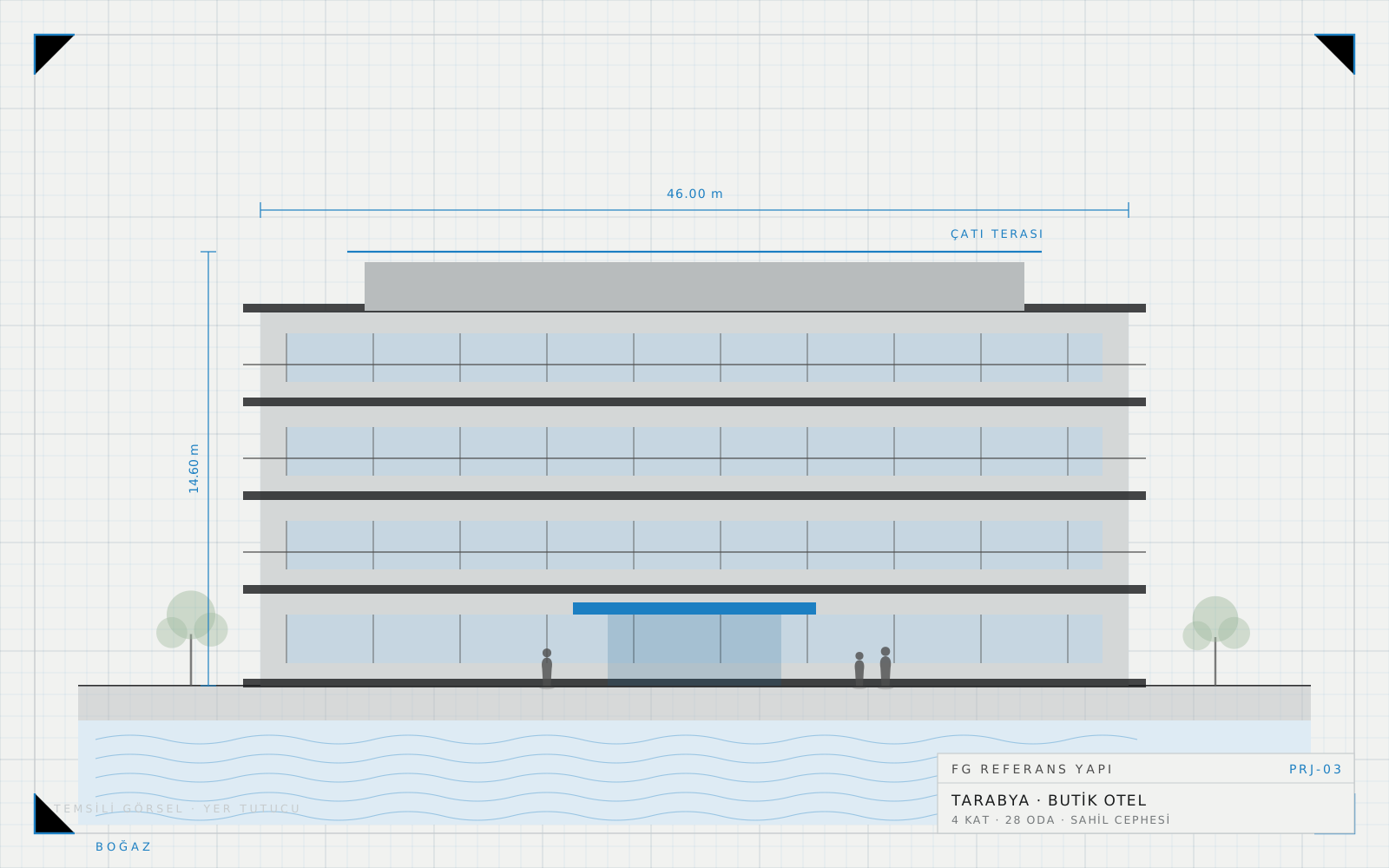
The hospitality side of Tarabya asks for a different discipline from housing. As on our boutique hotel by the shore, the mechanical and fire infrastructure, the density of wet areas and the service flow are all set out from the beginning according to how the business will actually run. You cannot fix the position of the mechanical risers before the room types and floor plans are settled, which is why we prefer to work alongside the operating team during design.
- Guest rooms, public areas and service routes resolved separately
- Fire detection, escape routes and ventilation infrastructure
- Acoustics: room-to-corridor and floor build-up detailing
- A phased programme by floor, compressed into the low season
Our projects here
Frequently asked questions
Can renovation be carried out without emptying the building?
In most cases yes. The works have to be split by floor and by section, the common areas covered and protected, and noisy operations compressed into agreed hours. Water, power and heating shutdowns are announced to residents in advance. Strengthening work that touches the structural frame is a different matter: there, at least the flats directly affected normally have to be vacated.
What permissions does a facade renewal need?
Any facade work going beyond simple paint and repair needs municipal permission. In Tarabya, if the plot falls inside a conservation area or the building is listed, an opinion from the conservation board is also required, and material, colour and joinery detailing can no longer be chosen freely. Gathering external insulation, natural stone cladding and joinery replacement into a single application makes both the permit process and the continuity of the insulation layers easier.
Can a hotel refurbishment be fitted into the low season?
It can be planned that way. We usually break the work into phases by floor or by block and concentrate them in the low-occupancy period, so the business does not have to close entirely. The critical part is resolving building-wide items such as mechanical and fire infrastructure in advance. Noisy demolition and riser work is done in sections with no guests and within agreed hours, and the service entrance is kept separate from guest circulation.
How are materials and debris moved on such narrow streets?
On most Tarabya streets a large vehicle cannot stand for long, if at all. We therefore bring materials in small vehicles in daily batches and, where needed, obtain a short-term road use permit. Debris is never left waiting in the street: it is bagged and removed the same day. Scaffolding and loading operations are scheduled for quiet traffic windows, taking the neighbours' own coming and going into account.
We know the area, and we know the work
Send us the location of your plot or building and we will come and look at it.