
AREA · Sarıyer
Contracting Across Sarıyer: The District and Urban Renewal
Sarıyer is not a single fabric. Forest-edge villa settlements, the old quarters along the Bosphorus and the dense apartment neighbourhoods of the centre all sit inside the same district boundary. So the first question on any Sarıyer job is always the same: which neighbourhood is this building in, and what are that neighbourhood's own rules?
For a contractor that means there is no single way of working. In the same district and in the same week we can be excavating foundations on a slope and carrying out strengthening work in an occupied apartment block.
The neighbourhoods of Sarıyer, and the different work they ask for
In Zekeriyaköy the work revolves around large-plot villas and building inside gated compounds, where ground conditions, levels and compound regulations decide the approach. Uskumruköy is dominated by newly parcelled plots and first-time self-builders, so the subject there is zoning status and utility connections. In Tarabya it is narrow streets, an ageing building stock and hospitality properties. In the central neighbourhoods the picture changes completely: apartment blocks from the 1970s and 80s, small gardens and a stock waiting to be renewed.
Law 6306 and the risky-building assessment
The urban renewal process begins when a building is formally assessed as risky. The assessment rests on an inspection by a licensed organisation and on core samples taken from the structural frame. Because the route after the report, the objection periods and the owners' decisions can change with current legislation, the paperwork has to be settled before any construction decision is taken. It is common for some owners in a block to be ready for renewal while others hesitate, so owners' meetings have to be run as steadily as the technical work.
Strengthen, or demolish and rebuild?
- The condition of the structural frame together with core test and survey results
- Whether the plot's current development rights exceed the existing building
- Whether the building has to be vacated during the strengthening work
- Whether waterproofing and insulation, services and the lift also need replacing
- A comparison of the two scenarios on total cost, duration and the floor area gained
Clauses owners examine in a land-for-flats contract
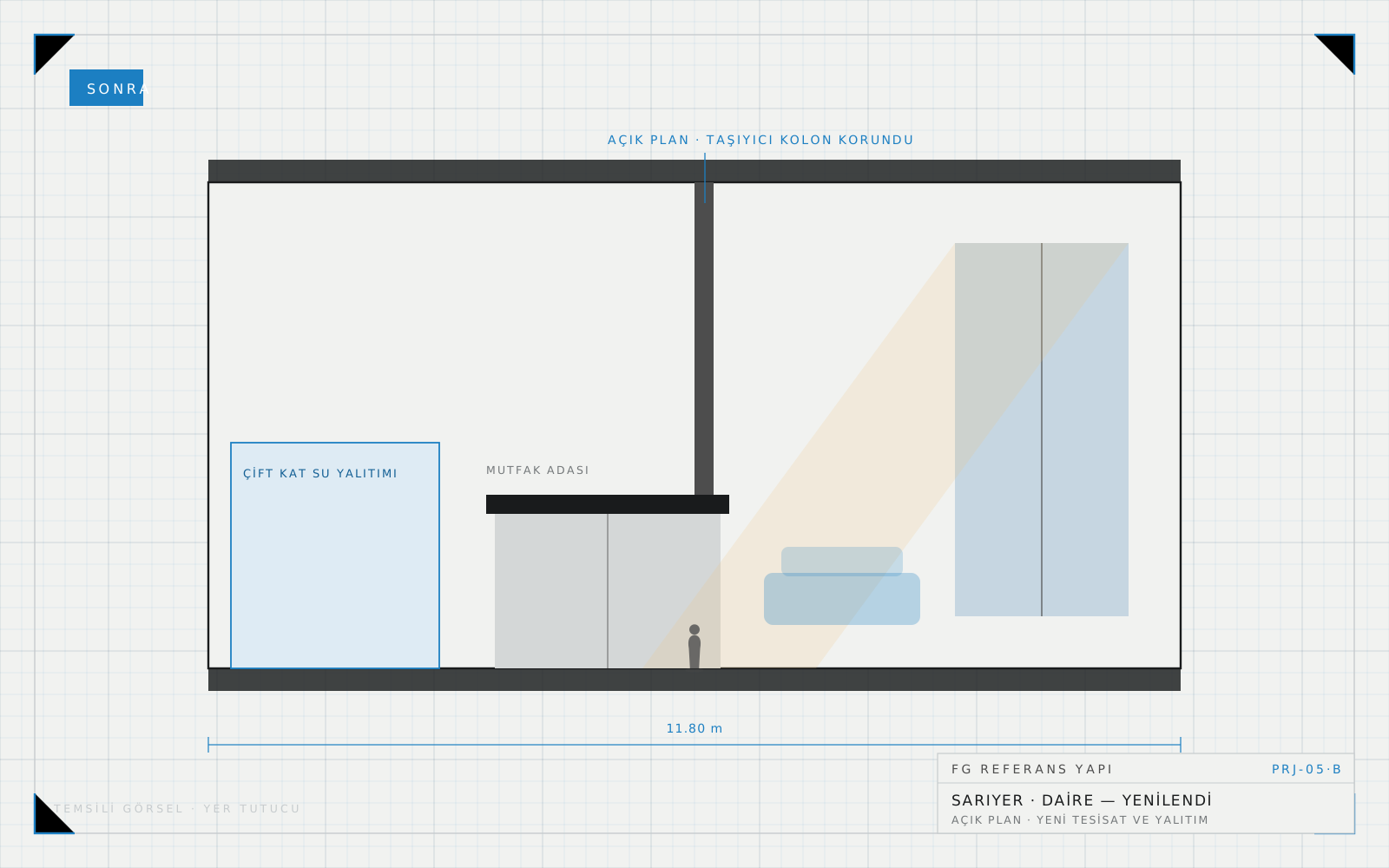
In land-for-flats projects, most disputes come not from the construction but from a contract that was written too loosely. Alongside the share ratio, the completion period, what happens in case of delay, the room-by-room specification and who carries responsibility for the occupancy permit all have to be set down at the start. As on our renovation of a flat in central Sarıyer, putting the scope in writing keeps the process predictable for both sides even on small jobs. Once the interim payment stages and cost items are written into the contract as well, progress falls into an order the owners can follow for themselves.
Our projects here
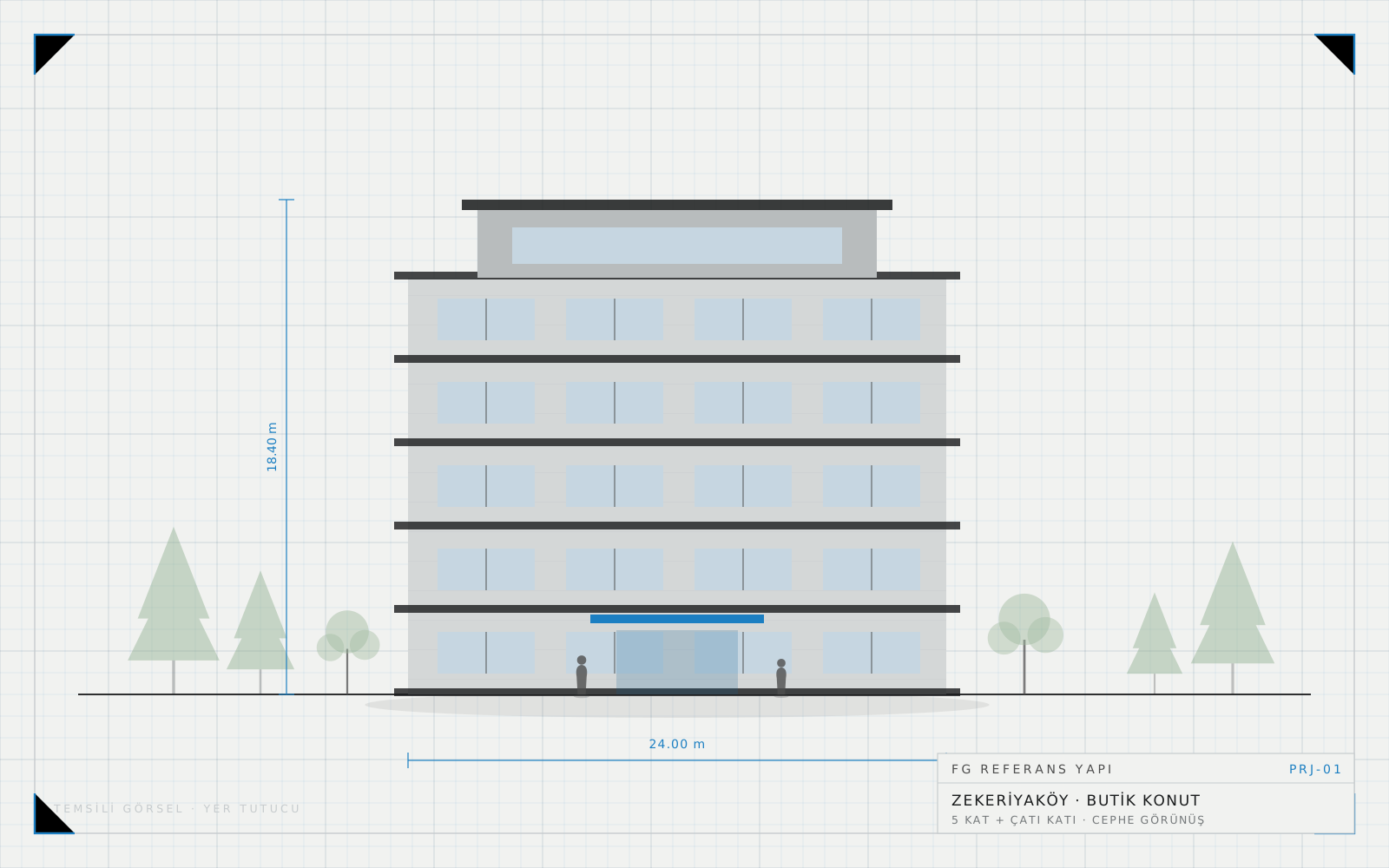
Zekeriyaköy, Sarıyer
An 18-flat boutique apartment building on a sloping, forest-edge plot in Zekeriyaköy, built on a raft foundation with a retaining wall and natural stone façade. 5 floors · 18 flats · 3+1 and 4+1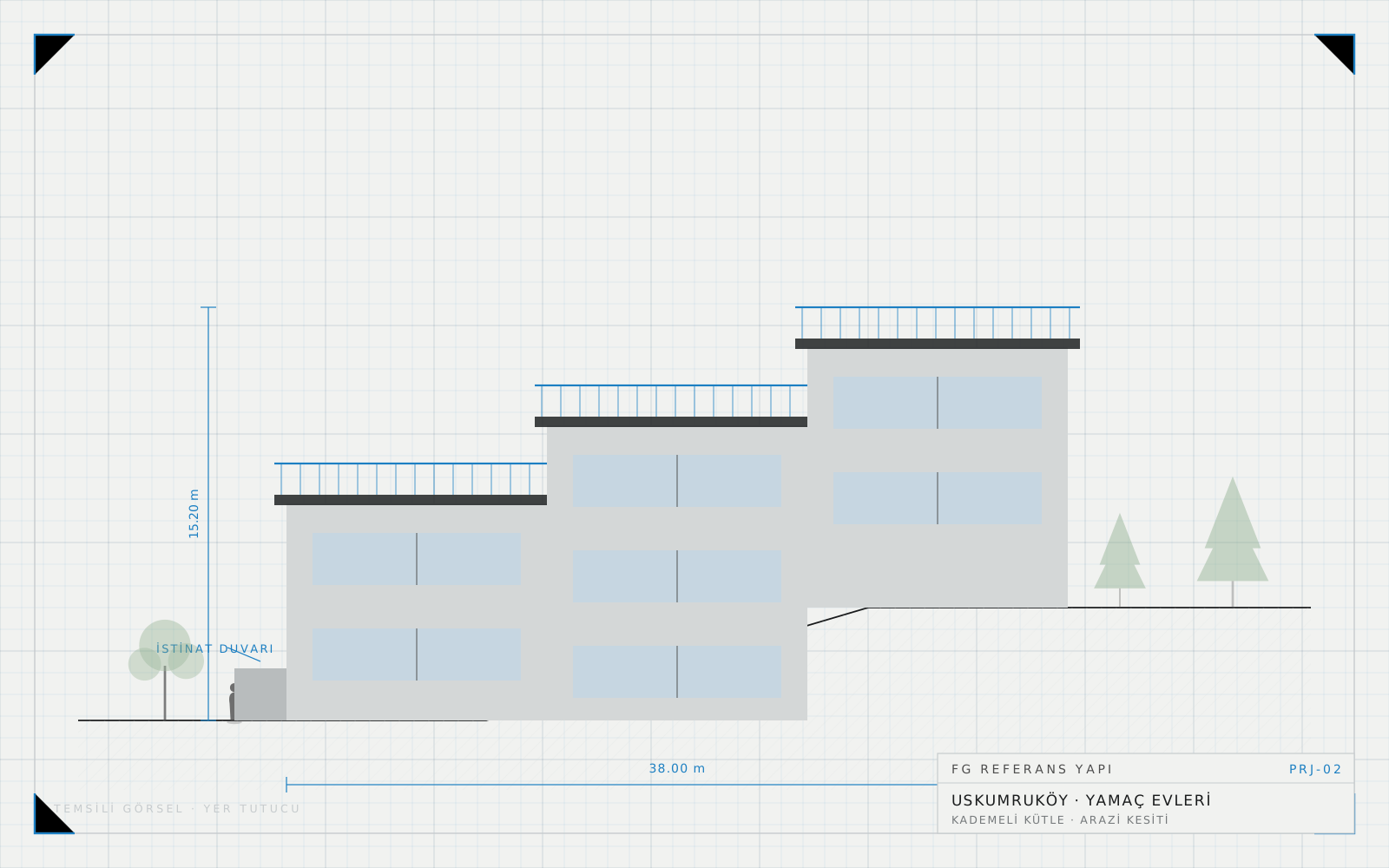
Uskumruköy, Sarıyer
A small three-block development of nine terraced duplexes in Uskumruköy, set into an eighteen per cent slope without flattening the land. 3 blocks · 9 duplexes · terraced 4+1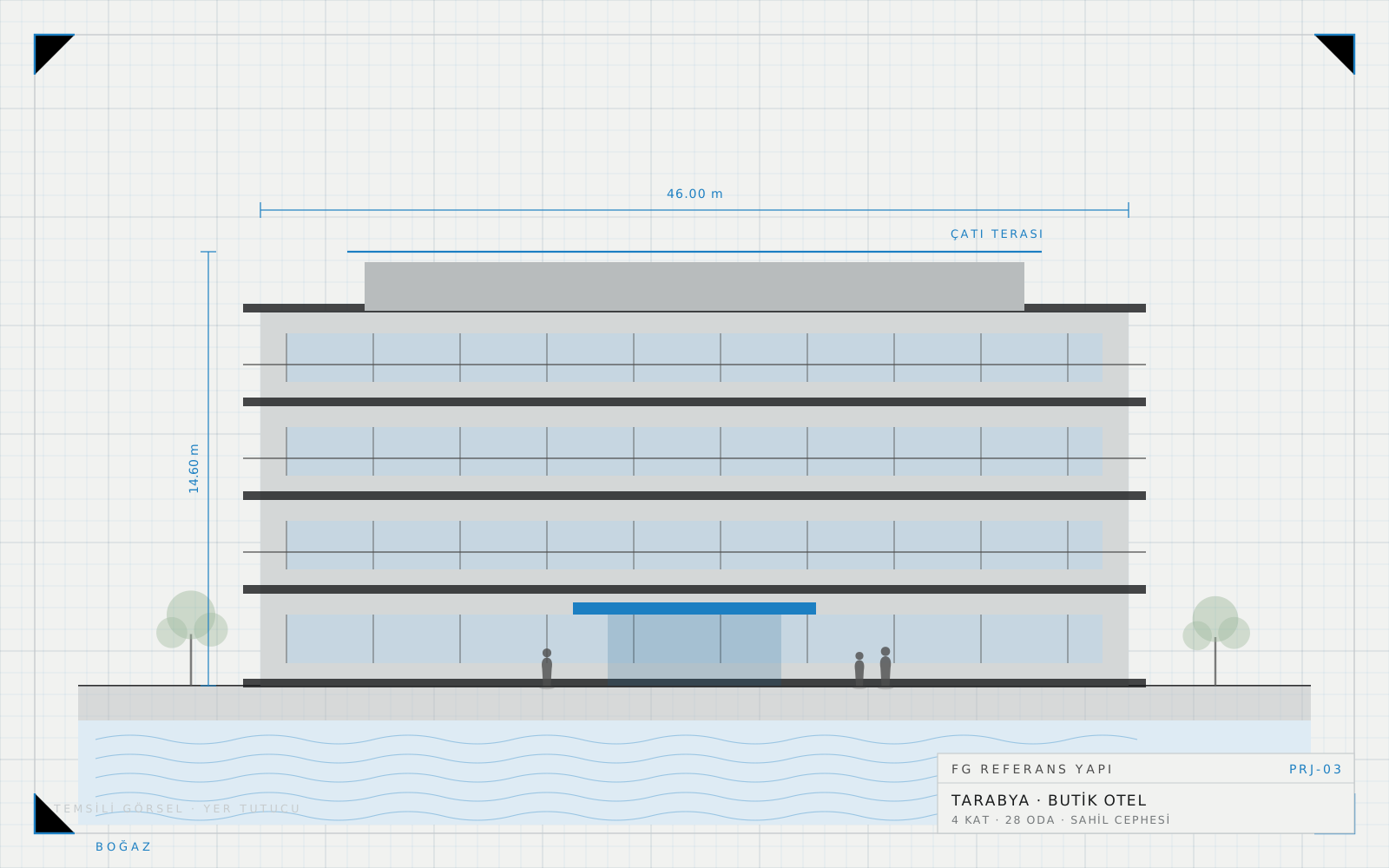
Tarabya, Sarıyer
A 26-room boutique hotel within walking distance of the Tarabya shore, nine rooms facing the Bosphorus, with tanked basement waterproofing against a high water table. 4 floors · 26 rooms · 9 Bosphorus view suitesFrequently asked questions
How is a risky-building assessment obtained?
You apply to an organisation licensed by the ministry. It inspects the building, takes core samples from the structural frame and files the report with the relevant authority. If the building is found risky, the owners are notified and given a period in which to object. Title deed and identity documents are usually enough to apply. Because the procedure and the deadlines can change over time, we suggest confirming them with the authority before you apply.
Does it make more sense to strengthen or to demolish and rebuild?
The decision turns on two things: the state of the structural frame and the plot's current development rights. If the frame is largely sound and the current zoning would not give you as much area as the existing building, strengthening combined with new insulation and services can be the better route. If the development rights are greater, or if the column and shear wall layout was flawed from the beginning, rebuilding usually comes out ahead both technically and economically.
Does your way of working change between Sarıyer's neighbourhoods?
Yes, considerably. In Zekeriyaköy and Uskumruköy the job starts from the plot: soil survey, level study, retaining solutions and compound rules set the terms. In Tarabya what dominates is working in an occupied building, narrow-street logistics and facade permissions. In the central neighbourhoods the subject is mostly urban renewal and organising the owners. The team structure and the construction programme are built differently in each of these three cases.
Can you move in before the occupancy permit is issued?
You should not. The occupancy permit is the document showing that the building was completed in line with its permit and approved drawings; permanent electricity, water and gas subscriptions, and the transition to condominium title, all depend on it. Sales and mortgage processes also become difficult in a building without one. That is why the last item in our programme is not handover but the completion of the occupancy permit file.
We know the area, and we know the work
Send us the location of your plot or building and we will come and look at it.